Romanian Folklore and Legends
Uncover the mystical tales that shaped Romania's cultural identity
Tales from the Carpathian Mists
Romania's rich tapestry of folklore weaves together ancient Dacian traditions, Byzantine influences, and Slavic mythology to create some of Europe's most captivating legends. From the immortal Dracula to mystical forest spirits, these stories have shaped the country's cultural identity and continue to enchant visitors from around the world.
The Legend of Vlad the Impaler - The Real Dracula
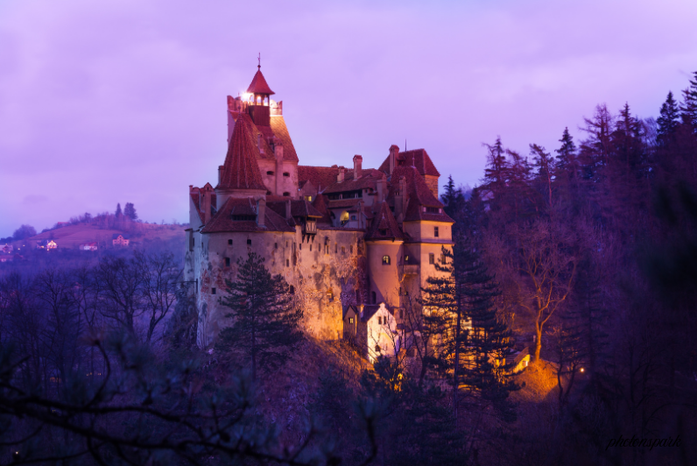
While Bram Stoker's Dracula immortalized the vampire legend, the real Vlad III (1431-1476), known as Vlad the Impaler or Vlad Dracula, was a Wallachian prince whose brutal methods of dealing with enemies earned him both fear and respect. Born in Sighișoara and ruling from Târgoviște, Vlad's legacy is complex - a defender of Christian Europe against Ottoman expansion, yet notorious for his extreme cruelty.
Historical Facts vs. Fiction:
- • Real name: Vlad III, son of Vlad Dracul ("Dragon")
- • Earned "Țepeș" (Impaler) for execution methods
- • Defended Wallachia against Ottoman Empire
- • Connected to Bran Castle through folklore, not history
- • Actual residences: Târgoviște and Poienari Fortress
Iele - The Forest Fairies
Among Romania's most enchanting supernatural beings are the Iele (pronounced "yay-lay"), beautiful fairies who inhabit forests, meadows, and crossroads. These ethereal creatures are said to dance under moonlight, their movements so graceful they can entrance any mortal who witnesses them. Unlike their benevolent Western European counterparts, Iele can be both helpful and dangerous.
Iele Characteristics:
- • Appear as beautiful young women with long, flowing hair
- • Master of medicinal herbs and magical healing
- • Can cause madness or illness if offended
- • Dance in circles that burn the grass permanently
- • Most active during summer solstice (Sânzienele)
Strigoi - Romania's Vampires
Long before Stoker's Dracula, Romanian folklore spoke of Strigoi - restless souls of the dead who return to torment the living. These creatures are more complex than modern vampire mythology suggests, existing in various forms and serving different supernatural purposes. Strigoi can be living people with supernatural abilities or deceased individuals who refuse to rest peacefully.
Types of Strigoi:
- • Strigoi vii: Living people with supernatural powers
- • Strigoi morti: Deceased who return from the grave
- • Moroi: Ghosts of unbaptized children
- • Pricolici: Werewolf-like shapeshifters
- • Protection methods: garlic, holy water, wooden stakes
Zmeu - The Dragon Warriors
In Romanian mythology, Zmeu (plural: Zmei) are powerful draconic beings who often serve as antagonists in folk tales. Unlike Western dragons that hoard treasure, Zmei are shapeshifters who can appear as handsome men to seduce maidens or as fearsome multi-headed dragons in battle. They represent the forces of chaos and evil that heroes must overcome.
Zmeu Powers and Traits:
- • Can have multiple heads (up to 12 in some tales)
- • Shapeshifting abilities, often appearing as attractive men
- • Control over weather and natural disasters
- • Live in magnificent palaces in other dimensions
- • Often defeated by brave heroes like Fat-Frumos
Muma Pădurii - Mother of the Forest
One of Romania's most feared supernatural beings, Muma Pădurii (Mother of the Forest) is an ancient forest spirit who protects the wilderness from human intrusion. Described as a tall, terrifying woman with wild hair and bark-like skin, she punishes those who harm the forest or disrespect nature's laws. Her legend serves as both environmental protection and a cautionary tale.
Forest Guardian Powers:
- • Commands all forest animals and plants
- • Can cause travelers to become hopelessly lost
- • Punishes those who harm trees or wildlife
- • Protects lost children if they show respect
- • Associated with the ancient Dacian forest goddess
The Ballad of Miorița - Romania's National Epic
Miorița (The Little Ewe) is considered Romania's most important folk ballad, expressing the Romanian soul's relationship with death, nature, and acceptance of fate. The story tells of a young shepherd whose magical ewe warns him of his impending murder by jealous companions. Rather than flee, he accepts his destiny and asks to be buried with natural honors.
Symbolic Elements:
- • The ewe represents wisdom and prophetic knowledge
- • Acceptance of death as natural transformation
- • Unity between humans and nature
- • Romanian concept of "cosmic wedding" with death
- • Influence on Romanian poetry and literature
Traditional Romanian Celebrations and Folklore
Seasonal Folk Celebrations
Sânzienele (Summer Solstice)
Celebrated on June 24th, this festival honors the Iele fairies and includes gathering medicinal herbs, lighting bonfires, and jumping over flames for protection.
- • Harvesting magical herbs at dawn
- • Young women wearing flower crowns
- • Predictions about love and marriage
Noaptea de Sângeorz (St. George's Eve)
April 23rd marks the most dangerous night when supernatural beings are most active. People protect their homes with garlic, holy water, and thorn branches.
- • Strigoi and witches most powerful
- • Protection rituals for livestock
- • Blessing of homes and fields
Mărțișor (March 1st)
Ancient spring celebration where people exchange red and white trinkets for good luck, health, and to welcome spring's return.
- • Red symbolizes life and passion
- • White represents purity and new beginnings
- • Worn for entire month of March
Paștele Blajinilor (Easter of the Gentle Ones)
A week after Orthodox Easter, families visit cemeteries to share meals with deceased relatives, bridging the world of the living and dead.
- • Communion with departed souls
- • Sharing food at gravesites
- • Ancient Dacian ancestor worship
Experiencing Romanian Folklore Today
Where to Encounter Living Folklore
Village Museums
ASTRA Museum in Sibiu and Village Museum in Bucharest showcase traditional life, customs, and beliefs.
Maramureș Region
Wooden churches, traditional crafts, and folk customs still practiced in authentic village settings.
Folk Festivals
Căluș dancing, traditional music, and storytelling events throughout Romania, especially in summer months.
Folklore Sites to Visit
- • Bran Castle (Dracula's legendary home)
- • Sighișoara (Vlad's birthplace)
- • Poienari Fortress (Vlad's real castle)
- • Viscri (traditional Saxon village)
- • Biertan (fortified church legends)
- • Bucovina (painted monasteries)
The Influence on Modern Romanian Culture
Romanian folklore continues to influence contemporary culture through literature, film, music, and art. Authors like Mircea Eliade and Eugène Ionesco drew heavily from folk traditions, while modern Romanian cinema often incorporates folkloric elements. The legends also contribute significantly to Romania's tourism industry, particularly the Dracula phenomenon that attracts visitors from around the world.
Literary Influence:
- • Mihai Eminescu's poetry incorporating folk themes
- • Ion Creangă's fairy tales and stories
- • Modern authors continuing folk traditions
- • International recognition of Romanian folklore
Tourism Impact:
- • Dracula tourism generating significant revenue
- • Folk festivals attracting international visitors
- • Preservation of traditional villages
- • Cultural exchange through storytelling
Discover Romania's Mystical Heritage
Experience the legends that have captivated the world for centuries. Visit the places where these stories originated, walk through villages where folklore still lives, and discover how ancient beliefs continue to shape Romanian culture today. Our expert guides bring these tales to life with historical context and local insights.
📚 Continue Your Romanian Adventure
Top 5 Must-Visit Castles in Romania
Explore the castles where these legends were born and historical events unfolded.
Read More →Medieval Towns of Transylvania
Visit the historic towns where these folkloric traditions developed and flourished.
Read More →